

Most people hear “liver cancer” and immediately think one thing: surgery.
But here’s the part no one tells you early enough, that’s not always the only option anymore.
Many patients today are being treated effectively without major operations, long hospital stays, or the physical toll that comes with surgery. The shift is real, and it’s changing how liver cancer is managed across the world.
A diagnosis of liver cancer can still feel overwhelming. Questions about survival, treatment, and recovery come rushing in all at once. And somewhere in the middle of it all is a quiet but important question: Is there a better, less invasive way to treat this?
The answer, in many cases, is yes.
Modern minimally invasive oncology treatment options are designed to target cancer directly, reduce complications, and help patients recover faster. These treatments are especially valuable for those who may not be ideal candidates for surgery due to age, liver function, or overall health.
Liver cancer often develops silently, and by the time it is diagnosed, patients need solutions that are both effective and manageable.
Understanding these options isn’t just helpful, it can completely change the way you approach treatment decisions.
Understanding Liver Cancer and Treatment Goals
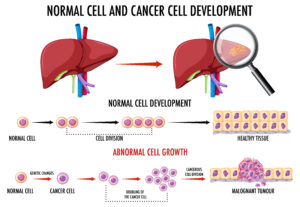
Liver cancer, most commonly hepatocellular carcinoma (HCC), occurs when abnormal cells in the liver grow uncontrollably.
Treatment goals typically include:
- Destroying or shrinking tumors
- Preventing cancer spread
- Preserving healthy liver tissue
- Improving survival and quality of life
While surgery (such as tumor removal or liver transplant) is effective in certain cases, it is not always suitable for everyone.
Factors that may limit surgery include:
- Poor liver function
- Multiple tumors
- Advanced stage cancer
- Other health conditions
This is why non-surgical oncology treatment options are critical in modern cancer care.
What Are Minimally Invasive Oncology Treatments?
Minimally invasive treatments are procedures performed without large surgical incisions. Instead, they use imaging guidance, small catheters, or targeted energy to treat tumors directly.
These treatments are typically performed by specialists such as interventional radiologists or oncologists.
Key Benefits
- Less pain and trauma
- Shorter hospital stays
- Faster recovery
- Lower risk of complications
- Preservation of healthy tissue
For many patients, these benefits make minimally invasive oncology treatment a preferred choice.
Common Non-Surgical Treatments for Liver Cancer
Several advanced techniques are now available to treat liver cancer effectively without surgery.
1. Transarterial Chemoembolization (TACE)
TACE is one of the most widely used treatments for liver cancer.
How It Works
- A catheter is inserted through a blood vessel
- Chemotherapy drugs are delivered directly to the tumor
- Blood supply to the tumor is blocked
Benefits
- Targets cancer cells precisely
- Reduces systemic side effects
- Slows tumor growth
TACE is often used when tumors cannot be surgically removed.
2. Radiofrequency Ablation (RFA)
RFA uses heat to destroy cancer cells.
Procedure
- A thin needle is inserted into the tumor
- High-frequency energy generates heat
- Cancer cells are destroyed
Best For
- Small tumors
- Early-stage liver cancer
This method is highly effective and involves minimal recovery time.
3. Microwave Ablation (MWA)
Similar to RFA, microwave ablation uses electromagnetic waves to generate heat and destroy tumors.
Advantages Over RFA
- Faster treatment time
- Can treat larger tumors
- More consistent heat distribution
It is another powerful option within minimally invasive oncology treatment.
4. Targeted Therapy
Targeted therapy involves medications that attack specific cancer cells without harming normal cells.
Key Features
- Slows cancer progression
- Taken orally or intravenously
- Often used in advanced cases
While not a procedural treatment, it plays a critical role in comprehensive oncology care.
5. Immunotherapy
Immunotherapy helps the body’s immune system recognize and fight cancer cells.
Why It Matters
- Boosts natural defense mechanisms
- Used in advanced liver cancer
- Can be combined with other treatments
It represents one of the most promising developments in oncology treatment today.
6. Transarterial Radioembolization (TARE)
Also known as selective internal radiation therapy (SIRT), this technique delivers radiation directly to the tumor.
How It Works
- Tiny radioactive beads are injected into liver arteries
- Radiation targets cancer cells internally
Benefits
- Precise targeting
- Minimal damage to surrounding tissue
- Effective for inoperable tumors
Who Is a Candidate for Non-Surgical Treatment?
Not every patient requires surgery. Many benefit more from minimally invasive approaches.
You may be a candidate if:
- Surgery is not safe due to health conditions
- Tumors are too large or multiple
- Cancer is in an advanced stage
- Liver function is compromised
Each case is unique, which is why evaluation by a specialist is essential.
Recovery and What to Expect
One of the biggest advantages of minimally invasive oncology treatment is faster recovery.
Typical Recovery Experience
- Short hospital stay (sometimes same-day discharge)
- Mild discomfort for a few days
- Quick return to daily activities
- Regular follow-ups and imaging
Compared to surgery, the physical and emotional burden is significantly lower.
Effectiveness of Minimally Invasive Treatments
These treatments are not just alternatives, they are proven, effective solutions.
Studies show that:
- Early-stage tumors can be completely destroyed using ablation techniques
- TACE and TARE can significantly extend survival
- Combination therapies improve overall outcomes
Success depends on early diagnosis, tumor size, and overall health.
Emotional Impact: Why Less Invasive Matters
Cancer treatment is not just physical, it affects mental and emotional well-being.
Minimally invasive oncology treatment helps by:
- Reducing fear associated with major surgery
- Allowing faster return to normal life
- Minimizing hospital time
- Supporting better quality of life
For patients and families, this can make a significant difference in coping with treatment.
When to Seek Medical Advice
Early action is critical in liver cancer.
Watch for Symptoms Like:
- Unexplained weight loss
- Loss of appetite
- Abdominal pain or swelling
- Fatigue
- Yellowing of skin (jaundice)
If you notice these signs, consult a specialist immediately.
Choosing the Right Treatment Approach
There is no one-size-fits-all solution.
The best oncology treatment plan depends on:
- Stage of cancer
- Liver function
- Overall health
- Patient preferences
A multidisciplinary approach often delivers the best results.
Conclusion: A New Era Beyond Surgery
Liver cancer treatment has evolved significantly. Surgery is no longer the only path, and for many patients, it is not even the best one.
Minimally invasive oncology treatment options offer effective, targeted solutions with fewer risks and faster recovery.
From ablation techniques to advanced therapies like TACE and immunotherapy, patients today have access to treatments that are both powerful and patient-friendly.
If you or a loved one is facing liver cancer, know this, there are options, and there is hope.
Exploring non-surgical treatments early can open the door to better outcomes and improved quality of life.
FAQs
1. Can liver cancer be treated without surgery?
Yes, liver cancer can often be treated without surgery using minimally invasive methods like ablation, TACE, and targeted therapies. These treatments directly target tumors, reduce symptoms, and improve survival, especially for patients who are not suitable candidates for surgical procedures due to health or disease stage.
2. What is the most effective non-surgical treatment for liver cancer?
The most effective treatment depends on the cancer stage and patient condition. Options like radiofrequency ablation work well for small tumors, while TACE or TARE are used for larger or multiple tumors. A specialist determines the best oncology treatment based on individual medical evaluation.
3. Is minimally invasive treatment safe for liver cancer?
Minimally invasive treatments are generally safe and widely used in liver cancer care. They involve smaller incisions, reduced risk of complications, and quicker recovery. However, safety depends on the patient’s health, tumor characteristics, and proper execution by experienced medical professionals.
4. How long does recovery take after non-surgical treatment?
Recovery is usually faster compared to surgery. Most patients resume normal activities within a few days to a week, depending on the procedure. Mild discomfort may occur, but it is manageable. Regular follow-ups are necessary to monitor treatment effectiveness and overall health.
5. When should I consider oncology treatment for liver cancer?
You should consider oncology treatment as soon as liver cancer is diagnosed or symptoms appear. Early treatment improves outcomes and expands available options. Consulting a specialist quickly ensures timely intervention and helps create a personalized treatment plan suited to your condition.