

 The first time you notice blood in your urine, it’s alarming. The second time, it’s confusing. By the third time, it becomes something far more stressful, a recurring problem that refuses to go away.
Hematuria, or blood in urine, is not something your body does without reason. Whether visible or microscopic, it signals that something within your urinary system needs attention. While medical treatment addresses the immediate cause, many patients struggle with one key concern: how do you prevent it from coming back?
This is where lifestyle plays a powerful role.
For some individuals, recurring hematuria may be linked to infections, kidney stones, or underlying conditions. In more complex cases involving active bleeding from blood vessels, advanced procedures like Renal Artery Embolization may be required to control the source.
But beyond medical intervention, daily habits, diet, hydration, and overall health management can significantly reduce the chances of recurrence.
This guide brings everything together in one place, practical lifestyle changes, medical insights, and preventive strategies to help you take control of your health and reduce the risk of recurring hematuria.
Why Hematuria Recurs
Before focusing on prevention, it’s important to understand why hematuria returns.
Common causes include:
- Recurrent urinary tract infections (UTIs)
- Kidney or bladder stones
- Enlarged prostate
- Kidney disease
- Uncontrolled blood pressure
- Certain medications
- Vascular abnormalities in the kidney
In some patients, repeated bleeding may occur due to fragile or damaged blood vessels. In such cases, procedures like Renal Artery Embolization are used to precisely block the bleeding source and preserve kidney function.
However, even after treatment, prevention remains essential.
Hydration: The Foundation of Prevention
If there’s one habit that consistently reduces the risk of hematuria recurrence, it is proper hydration.
When your body is well-hydrated:
- Urine becomes diluted
- Bacteria are flushed out
- Stone formation is reduced
- Irritation in the urinary tract decreases
What You Should Do
- Drink enough water throughout the day
- Increase intake in hot weather or during travel
- Aim for light-colored urine as a simple indicator
In India’s climate, dehydration is a common trigger for urinary issues, making hydration a critical part of long-term care.
Diet Changes That Protect the Urinary System
 Your diet has a direct impact on kidney and urinary health.
Reduce These Foods
- Excess salt
- Processed and packaged foods
- Sugary drinks and sodas
- Excessive red meat
High salt intake, in particular, increases the risk of kidney stones, a leading cause of hematuria.
Include More of These
- Fresh fruits and vegetables
- Whole grains
- Citrus fruits (if medically appropriate)
- Fiber-rich foods
A balanced diet supports kidney function and complements medical treatments, including recovery after Renal Artery Embolization.
Preventing Urinary Tract Infections (UTIs)
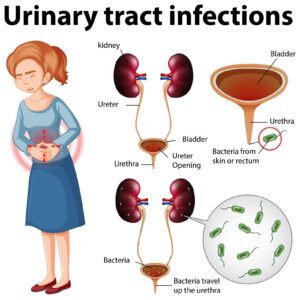
Recurrent infections are one of the most common causes of repeated hematuria.
Simple Preventive Measures
- Maintain good personal hygiene
- Do not hold urine for long periods
- Stay hydrated
- Urinate after sexual activity
- Wear breathable, comfortable clothing
For women, these small changes significantly reduce infection risk.
Managing Kidney Stones Effectively
Kidney stones are a major cause of hematuria, especially in hot regions.
Prevention Tips
- Drink plenty of fluids daily
- Reduce salt intake
- Limit oxalate-rich foods if advised
- Follow dietary recommendations based on stone type
If you’ve had stones before, preventive care is not optional, it is essential.
Control Blood Pressure and Chronic Conditions
High blood pressure silently damages kidney blood vessels over time.
This can lead to:
- Kidney dysfunction
- Fragile blood vessels
- Increased risk of hematuria
What Helps
- Regular BP monitoring
- Reduced salt intake
- Exercise and weight control
- Medication adherence
Patients who undergo Renal Artery Embolization are often advised to maintain strict blood pressure control to prevent future complications.
Avoid Overuse of Painkillers and Certain Medications
Certain medications can irritate the urinary tract or increase bleeding risk.
These include:
- NSAIDs (painkillers)
- Blood thinners
- Some antibiotics
Always:
- Take medications only as prescribed
- Inform your doctor if hematuria occurs
- Avoid self-medication
Medication awareness is a key part of prevention.
Exercise, But Don’t Overdo It
Exercise is essential for overall health, but excessive strain can sometimes trigger hematuria.
What to Keep in Mind
- Choose moderate-intensity workouts
- Stay hydrated before and after exercise
- Avoid overexertion
- Listen to your body
In some cases, intense exercise can cause temporary hematuria, especially if hydration is poor.
Smoking: A Major Risk Factor You Cannot Ignore
Smoking is strongly linked to:
- Bladder cancer
- Kidney cancer
- Vascular damage
All of these can cause hematuria.
If you smoke, quitting is one of the most important steps you can take to protect your urinary system and reduce recurrence risk.
When Lifestyle Changes Are Not Enough
While lifestyle modifications are powerful, they cannot replace medical treatment in certain conditions.
If hematuria persists due to:
- Tumors
- Vascular abnormalities
- Trauma
- Post-surgical bleeding
Then targeted treatment is necessary.
Role of Renal Artery Embolization
Renal Artery Embolization is a minimally invasive procedure used to:
- Stop active kidney bleeding
- Block abnormal blood vessels
- Preserve kidney function
- Avoid major surgery
It is particularly useful in severe or recurrent cases where other treatments are ineffective.
Emotional Impact: Why Recurrence Feels So Draining
Recurring hematuria doesn’t just affect physical health. It creates:
- Constant anxiety
- Fear of serious illness
- Disruption in daily routine
- Emotional stress for patients and families
Having a clear plan, combining medical care and lifestyle changes, helps restore confidence and control.
When to See a Doctor
Do not delay medical attention if you experience:
- Visible blood in urine
- Frequent recurrence
- Pain or fever
- Weakness or fatigue
- Dark or cola-colored urine
Early diagnosis leads to better outcomes and simpler treatment.
Building a Long-Term Prevention Plan
Preventing recurrence is not about one change, it’s about consistency.
Your Daily Checklist
- Stay hydrated
- Eat a balanced diet
- Maintain hygiene
- Monitor blood pressure
- Avoid unnecessary medications
- Stay physically active
- Follow medical advice
When combined, these steps significantly reduce the risk of recurrence.
Conclusion: Small Changes, Long-Term Protection
Recurring hematuria can feel unpredictable and frustrating. But with the right combination of lifestyle changes and medical care, it is manageable, and often preventable.
Simple habits like hydration, diet control, and infection prevention go a long way. And in more complex cases, advanced treatments like Renal Artery Embolization offer a safe, effective solution to control bleeding at its source.
The key is awareness, early action, and consistency.
You don’t have to live with uncertainty. With the right approach, you can protect your health, reduce recurrence, and move forward with confidence.
FAQs
1. What causes recurring hematuria?
Recurring hematuria can be caused by infections, kidney stones, enlarged prostate, kidney disease, or vascular abnormalities. In some cases, fragile or damaged blood vessels in the kidney may lead to repeated bleeding. Identifying the exact cause through proper medical evaluation is essential for effective and long-term prevention.
2. Can lifestyle changes really prevent hematuria from coming back?
Yes, lifestyle changes play a major role in preventing recurrence. Staying hydrated, maintaining a balanced diet, managing infections early, controlling blood pressure, and avoiding excessive medication use can significantly reduce the chances of hematuria returning, especially when combined with appropriate medical treatment and regular follow-ups.
3. When is Renal Artery Embolization needed for hematuria?
Renal Artery Embolization is recommended when hematuria is severe, persistent, or caused by active bleeding from kidney blood vessels. It is often used when medications fail or when there is trauma, tumors, or vascular abnormalities, helping control bleeding effectively without the need for major surgery.
4. How much water should I drink to prevent hematuria?
Most adults should aim for at least 2 to 3 liters of water daily, depending on climate and activity level. Proper hydration helps dilute urine, flush bacteria, and reduce the risk of infections and kidney stones, which are common causes of recurring hematuria, especially in warmer regions.
5. When should I see a doctor for recurring hematuria?
You should consult a doctor if hematuria appears more than once, is visible, or is accompanied by pain, fever, or weakness. Even if it stops on its own, repeated episodes may indicate an underlying issue that requires diagnosis and treatment to prevent complications and protect kidney health.