
Dr. Amol Nagvekar

Best Hemoptysis Treatment in Jaipur

Hemoptysis Treatment

Hemoptysis, often referred to as coughing up blood or blood in sputum, is a common condition but can be quite alarming. It can be threatening in approximately 20% of cases if left untreated. Early diagnosis and treatment are vital for improving outcomes.

Dr. Amol Nagvekar is a Senior Consultant Interventional Radiologist at Rajasthan Hospital (RHL) in Jaipur, which is a tertiary care center for respiratory disease in Rajasthan state. He specializes in minimally invasive treatment of hemoptysis which is Bronchial artery embolization. His extensive experience equips him to provide the best care for hemoptysis patients. If you’re looking for hemoptysis/blood in cough specialist in Jaipur, you’re in good hands.

Hemoptysis Treatment

Causes of Hemoptysis

So, what causes hemoptysis? Understanding the root causes can help you seek the right treatment sooner. Here are some common culprits:
  • Infections: Conditions like pneumonia and tuberculosis can lead to hemoptysis. A study published in the Indian Journal of Chest Diseases & Allied Sciences found that a significant percentage of hemoptysis cases in India are linked to infections, with tuberculosis being a major cause.
  • Lung Diseases: Chronic Obstructive Pulmonary Disease (COPD) can cause coughing up blood. The Global Burden of Disease study indicates that COPD affects millions in India and contributes significantly to respiratory illnesses.
  • Cancer: Lung tumors may erode blood vessels, causing bleeding. The Indian Council of Medical Research (ICMR) reports a rise in lung cancer cases in India, highlighting the need for awareness and early detection.
  • Pulmonary Embolism: This serious condition occurs when a blood clot blocks blood flow to the lungs and can also cause hemoptysis.
Recognizing these causes can empower you to seek appropriate hemoptysis treatments.

Symptoms of Hemoptysis

If you think you might be experiencing hemoptysis, it’s essential to know the symptoms. Here are some signs to keep an eye on:
Coughing up blood

Coughing up blood

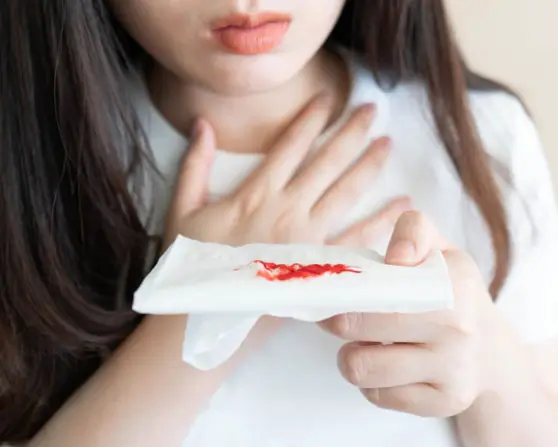
This is the most obvious symptom and can vary in quantity and color.

Shortness of breath

Shortness of breath

Feeling out of breath during daily activities may indicate a problem.

Chest pain

Chest pain

Pain or discomfort in the chest area, especially during deep breaths, should not be ignored.

Wheezing

Wheezing

A whistling sound while breathing can indicate potential airway obstruction.
If you notice any of these symptoms, you should consult a Pulmonologist / COPD expert in Jaipur or a hemoptysis specialist immediately.

Diagnosis of Hemoptysis

When it comes to diagnosing hemoptysis, a comprehensive approach is essential. Dr. Nagvekar employs several methods to pinpoint the issue:
  • Medical History Review: Discussing your symptoms and medical history helps create a clearer picture.
  • Physical Examination: A thorough examination is key to identifying signs of lung disease.
  • Imaging Tests: CT scans can help visualize the lungs and detect abnormalities. CT scans can identify up to 90% of lung lesions (source: RadiologyInfo.org).
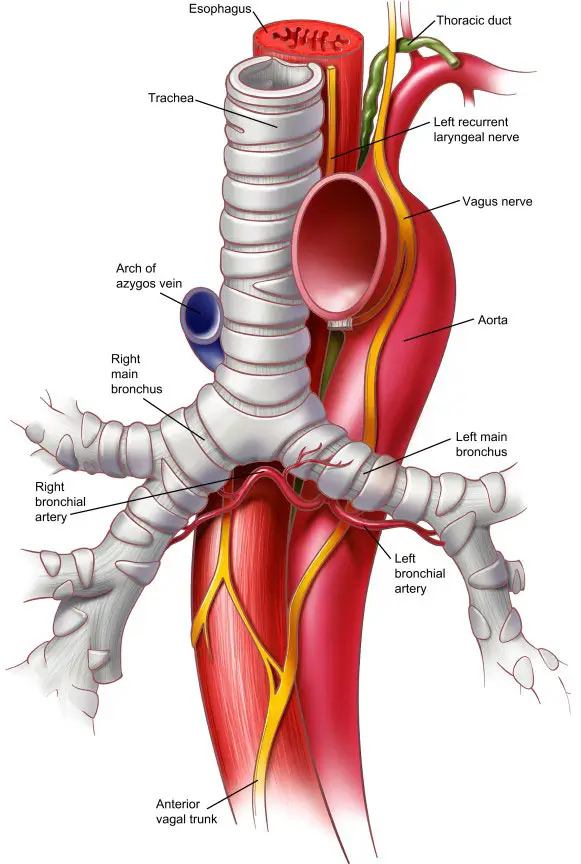
  • CT angiography of thoracic aorta: Is needed to identify dilated bronchial arteries, to locate the number, origin and course of artery.
  • Bronchoscopy: This helps in determining the lateralization of the disease.

These steps are critical in accurately diagnosing the underlying cause of hemoptysis, leading to effective hemoptysis treatment.

Treatment Options for Hemoptysis

Treatment Options for Hemoptysis

Once the cause of hemoptysis is diagnosed, the treatment plan can be tailored to the individual. Dr. Nagvekar offers a variety of treatment options:
  • Medications: Antibiotics for infections, corticosteroids to reduce inflammation or tranexamic acid to control bleeding.
  • Surgery: In cases of tumors or significant bleeding, surgical intervention might be necessary. The Indian Journal of Surgical Oncology discusses various surgical options available.
  • Interventional Radiology: As a specialist, Dr. Nagvekar uses minimally invasive techniques to address bleeding, often resulting in quicker recovery times and less discomfort. With selective cannulation of an abnormal bronchial artery by microcatheter internally, embolization (closure) is done with various embolizing agents (BAE / Bronchial artery embolization). This procedure does not require a cut, suture, or longer hospital stay.
Each treatment plan is designed with the individual patient’s needs in mind, ensuring the most effective approach to managing hemoptysis.

Why Choose Dr. Amol Nagvekar?

Choosing the right specialist for hemoptysis is crucial. Here’s why Dr. Nagvekar is a standout choice:

  • Extensive Experience: He has successfully handled over a thousand cases in both vascular and non-vascular interventions.
  • Educational Background: His training at prestigious institutions like Tata Memorial Hospital and Alfried Krupp Hospital in Germany has honed his expertise.
  • Compassionate Care: Dr. Nagvekar’s commitment to patient welfare shines through every successful procedure, as he believes in alleviating suffering.
With a focus on innovation and patient-centered care, Dr. Nagvekar is dedicated to providing you with the highest quality of treatment.

Connect with Us

If you or someone you know is experiencing hemoptysis, don’t wait for the symptoms to worsen. Early intervention can make all the difference. Contact Dr. Amol Nagvekar today to discuss your symptoms and treatment options. His expertise and compassion can guide you on your journey to recovery.
At RHL, Jaipur your health and well-being are our top priorities. Trust in Dr. Nagvekar’s skills and experience to help you navigate this challenging condition.

FAQ

1. What is the best treatment for hemoptysis?

The best treatment for hemoptysis depends on the underlying cause. It may involve antibiotics for infections, bronchoscopy to control bleeding, or surgery in severe cases. Always consult a healthcare provider for proper diagnosis and treatment. For heavy bleeding Bronchial Artery Embolization is lifesaving.

2. What happens if hemoptysis is left untreated?

The mortality rate from untreated enormous hemoptysis is greater than 50%. The most instantaneous life-threatening risk is usually asphyxia due to airway obstruction, preferably than exsanguination; so, any degree of hemoptysis causing cardiovascular collapse should be viewed as life-threatening.

3. What drugs are used to manage hemoptysis?

Drugs used for managing hemoptysis include tranexamic acid to reduce bleeding, antibiotics for infections, and bronchodilators if the condition is caused by airway inflammation.

Treatment depends on the cause, and a healthcare provider should prescribe the correct medications.

4. What is the danger of hemoptysis?

Hemoptysis can be dangerous as it may indicate serious conditions like lung cancer, tuberculosis, or pulmonary embolism. Severe cases can lead to respiratory failure, shock, or death, requiring immediate medical intervention to prevent life-threatening complications.

5. What is the first aid treatment for hemoptysis?

First aid for hemoptysis includes keeping the patient calm, sitting upright to prevent blood aspiration, and ensuring they breathe slowly. Avoid lying flat. Seek immediate medical help, as prompt, professional care is essential to stop further bleeding.

6. What is the best position for hemoptysis patients?

The best position for hemoptysis patients is sitting upright or leaning slightly forward. This helps prevent blood from entering the lungs, reduces the risk of aspiration, and allows for better breathing. Lying flat should be avoided.